
Engineering Guide: How to Anchor a Zipper on Rigid Greyboard
Jump to Section:
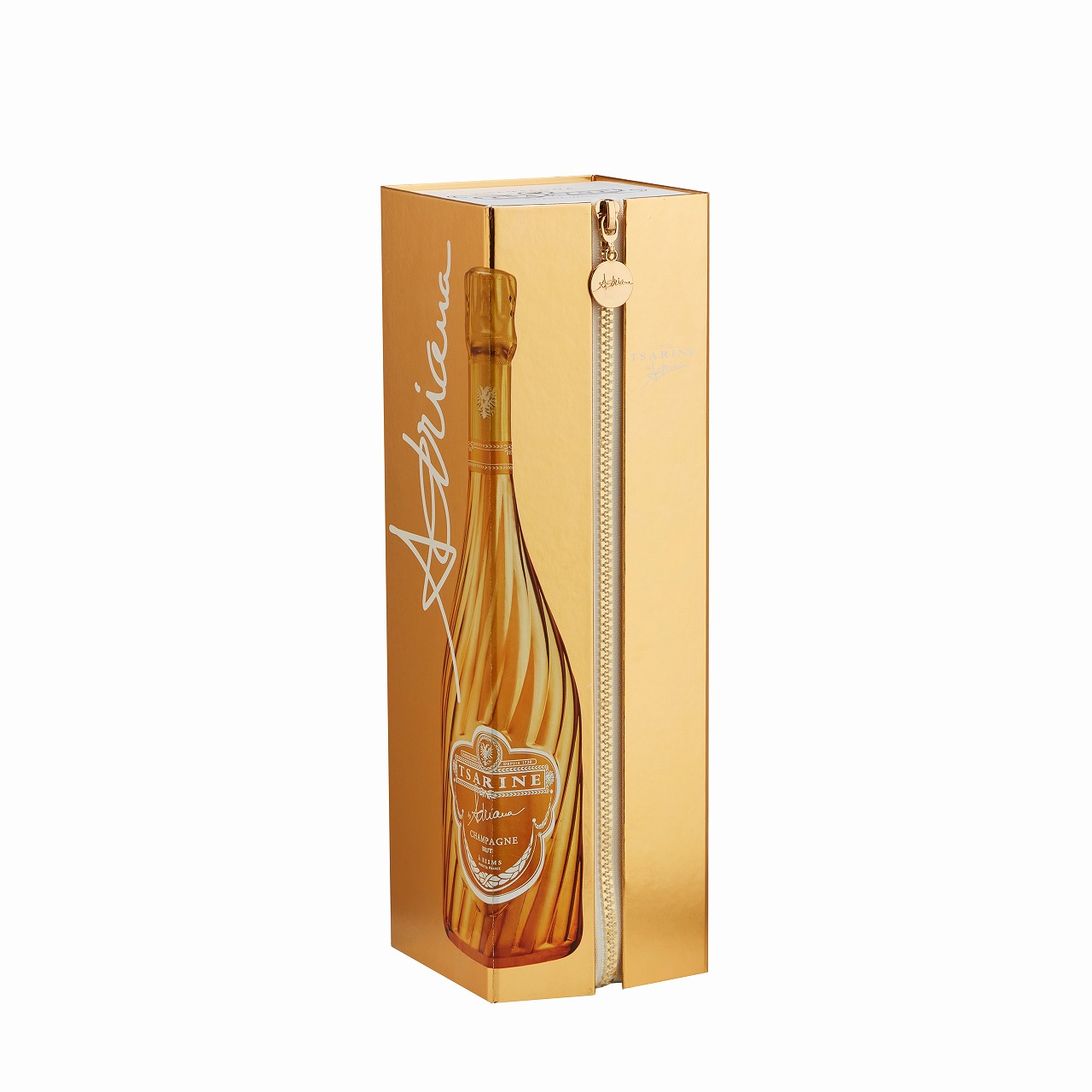
Cross-border packaging design often merges textile hardware with paper structures. However, anchoring a zipper on rigid greyboard introduces severe kinetic stress. If executed poorly, the zipper will rip the paperboard apart after just three uses. This guide exposes the critical failure points of zipper-integrated boxes and outlines the strict engineering protocols required to prevent structural tearing.
I. The Kinetic Reality: Why Zippers Destroy Greyboard
A zipper requires horizontal pulling force. Rigid greyboard, typically 2mm thick, is incredibly strong against vertical compression but highly vulnerable to sheer horizontal stress. When a consumer pulls a zipper, the kinetic energy transfers directly to the fabric-to-paper joint.
Many procurement managers underestimate this. They assume standard cold glue will hold the zipper tape to the board. This is a catastrophic engineering flaw. 2mm greyboard is constructed from compressed recycled paper fibers. The glue might hold the top layer of the paper, but the sheer force of the zipper will cause delamination—stripping the top layer of paper right off the core of the board. The result is a broken luxury box and an infuriated customer.
zipper on rigid greyboard
II. Engineering the Deep Anchor Protocol
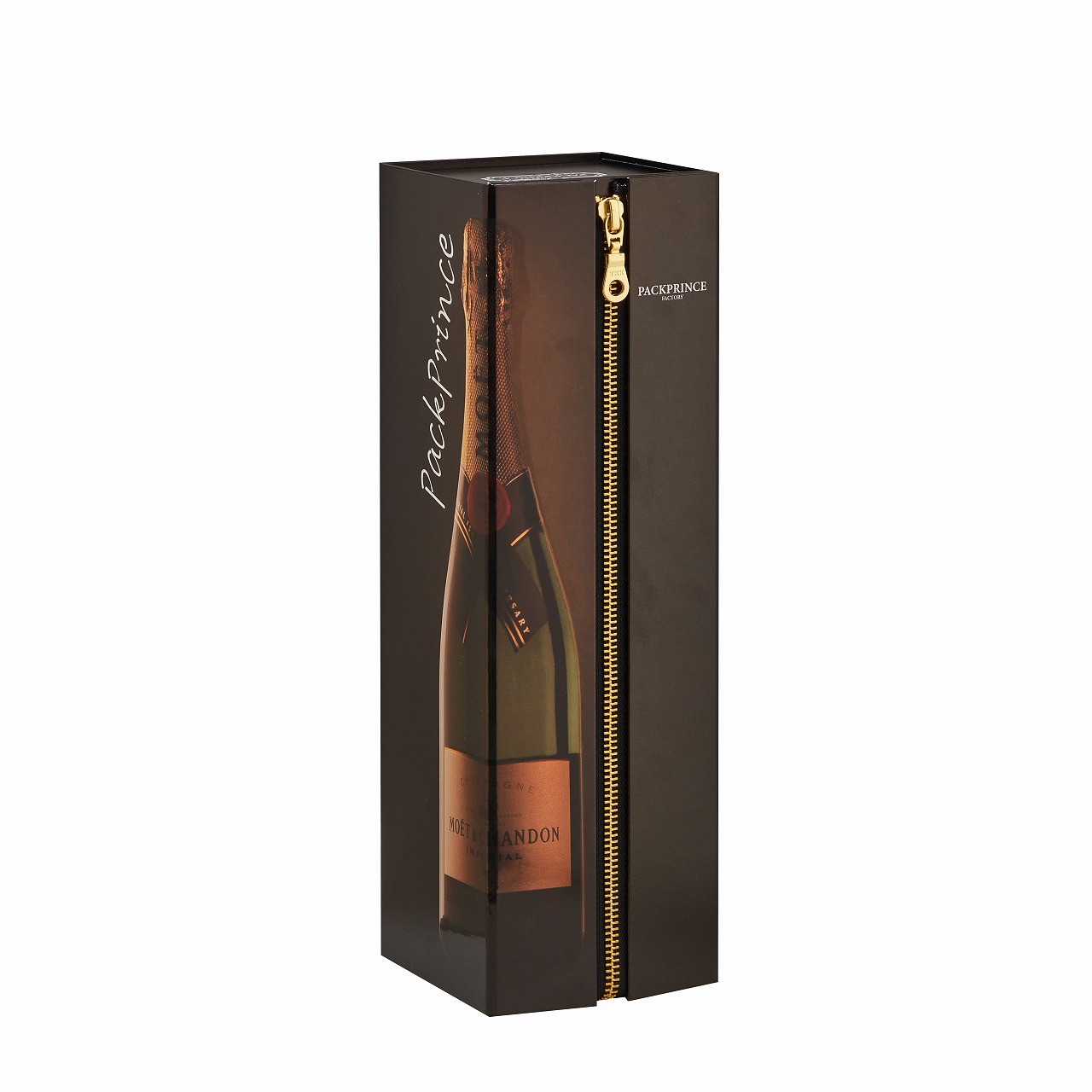
To successfully integrate a zipper on rigid greyboard, you cannot rely on surface adhesion. The zipper fabric must be structurally anchored into the board itself. At PackPrince, we utilize a “Deep Anchor Trench” technique.
zipper on rigid greyboard
| Engineering Step | Technical Purpose | Risk Mitigated |
|---|---|---|
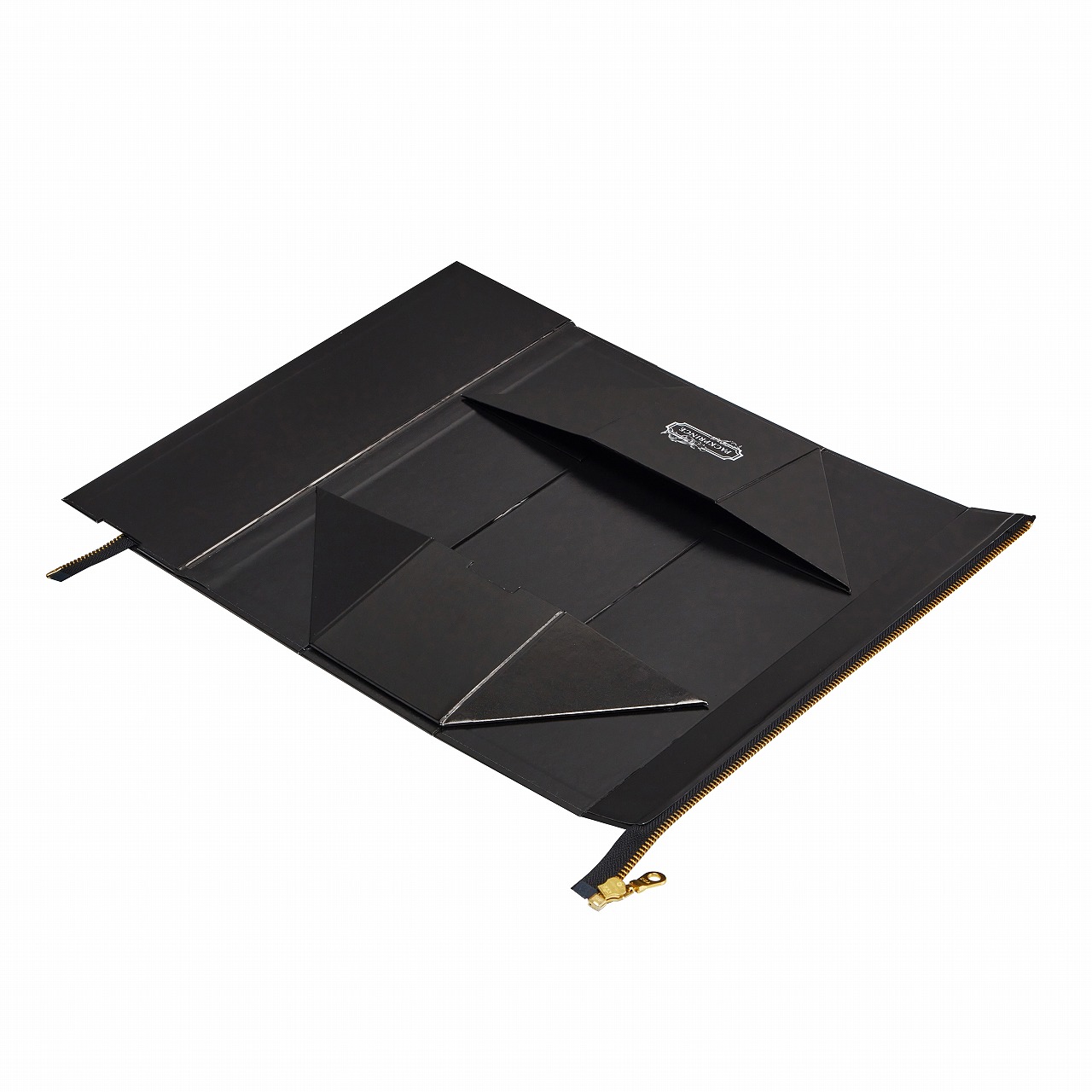
| 1. V-Groove Trenching | Milling a 1mm deep trench into the 2mm board to sink the zipper tape. | Prevents surface bulging and surface-layer delamination. |
| 2. PUR Adhesive Application | Using Polyurethane Reactive (PUR) hot melt instead of water-based glue. | Prevents adhesive cracking during temperature fluctuations. |
| 3. Secondary Wrap Lock | Wrapping the outer specialty paper over the zipper edge, trapping it. | Neutralizes horizontal sheer force by converting it to vertical load. |
III. Material Science and Adhesion Standards
Understanding the tensile strength of both the textile and the paperboard is mandatory. The zipper tape is typically polyester, which resists standard paper adhesives. By employing PUR adhesives and physically trapping the zipper tape under the outer paper wrap, we create a composite joint that exceeds the tear threshold of the zipper itself. This ensures that the integration of a zipper on rigid greyboard survives years of repeated use without fraying or detachment.
zipper on rigid greyboard
IV. FAQ: Mastering Zipper Integration
A: No. Milling a V-groove trench into a 1.5mm board leaves only 0.5mm of core paper, which will instantly snap under the tension of a zipper. 2mm is the absolute minimum safe thickness.
A: This is intentional. The tight tolerance of the secondary wrap lock ensures the zipper on rigid greyboard is fully secured. The fabric will naturally ease after 1-2 pulls.
Stop Taking Risks with Structural Failures
Do not compromise your brand’s unboxing experience with weak adhesive joints. Send us your dieline requirements for a professional structural assessment.