Custom Peptide Vial Packaging Boxes: A Complete Sourcing Guide for Brand Owners & OEM Buyers
Jump to Section:
Category · Medical & Pharma Packaging
Sourcing custom peptide vial packaging boxes? Compare box structures, insert options, printing finishes, and the complete manufacturing workflow before selecting an OEM/ODM packaging partner.
Why Packaging Decisions Matter More for Peptide Brands
Peptide vials are small, fragile, and expensive to replace. But the box around the vial does more than hold glass in place. It is often the first physical touchpoint a lab manager, distributor, clinic buyer, or research supplier sees before opening the product.
For a category built on precision and credibility, generic or loose packaging can weaken the buyer’s perception of the product. A properly engineered peptide vial box protects the glass container, keeps the printed label readable, supports organized handling, and creates a more professional brand presentation.
At Packprince, we help peptide brands, OEM suppliers, private-label distributors, and research companies develop packaging solutions that combine structural protection, precise insert engineering, and premium surface finishing.
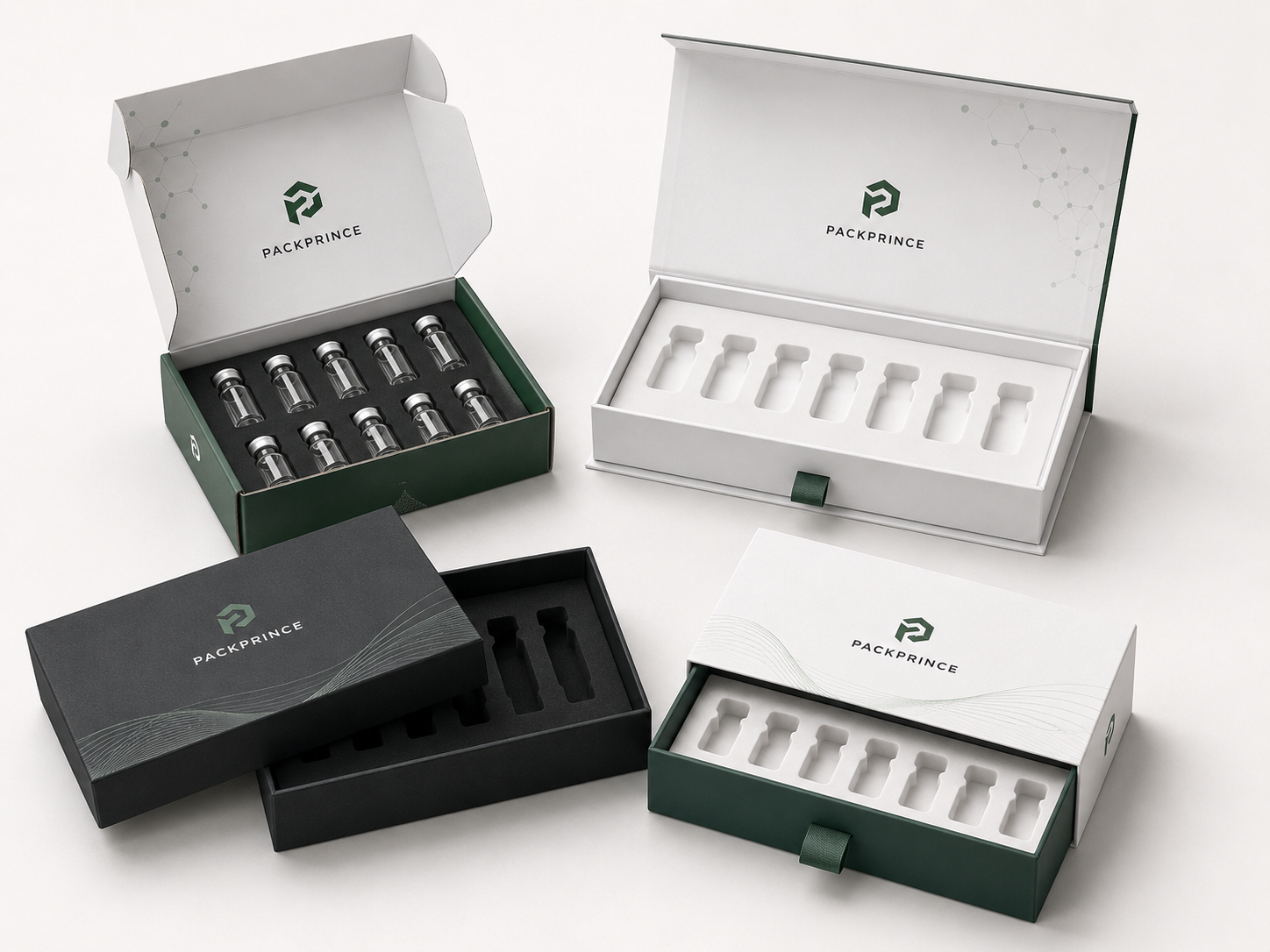
custom peptide vial packaging boxes
The Real Reasons Brands Switch to Custom Peptide Vial Packaging Boxes
Most peptide brands do not start with custom packaging. They usually begin with stock boxes and switch to custom packaging when real handling, shipping, or branding problems begin to appear.
- Vial breakage in transit: Standard boxes without engineered inserts allow vials to move. Glass-on-glass contact and repeated vibration during transportation can increase the risk of breakage, returns, and damaged-goods claims.
- Label scuffing: If the vial moves inside the box, printed labels may rub against the insert or outer box. This becomes a real problem when lot numbers, barcodes, or product details must remain clear and readable.
- Lack of differentiation: Many suppliers use similar vial formats. The packaging often becomes the first visible difference between a professional brand and a generic supplier.
- No dedicated space for product information: Custom packaging gives brands more control over side panels, back panels, batch information, handling notes, and required product messaging where applicable.
- Cold-chain and repeat handling: Peptide packaging may pass through multiple handling points. A stable insert and durable outer structure help the product remain organized and protected through the full logistics process.
A properly engineered box solves more than one problem at once: it protects the vial, organizes the product, improves buyer confidence, and gives the brand a professional packaging surface.
Box Structure Comparison: Choosing the Right Format for Your Peptide Brand
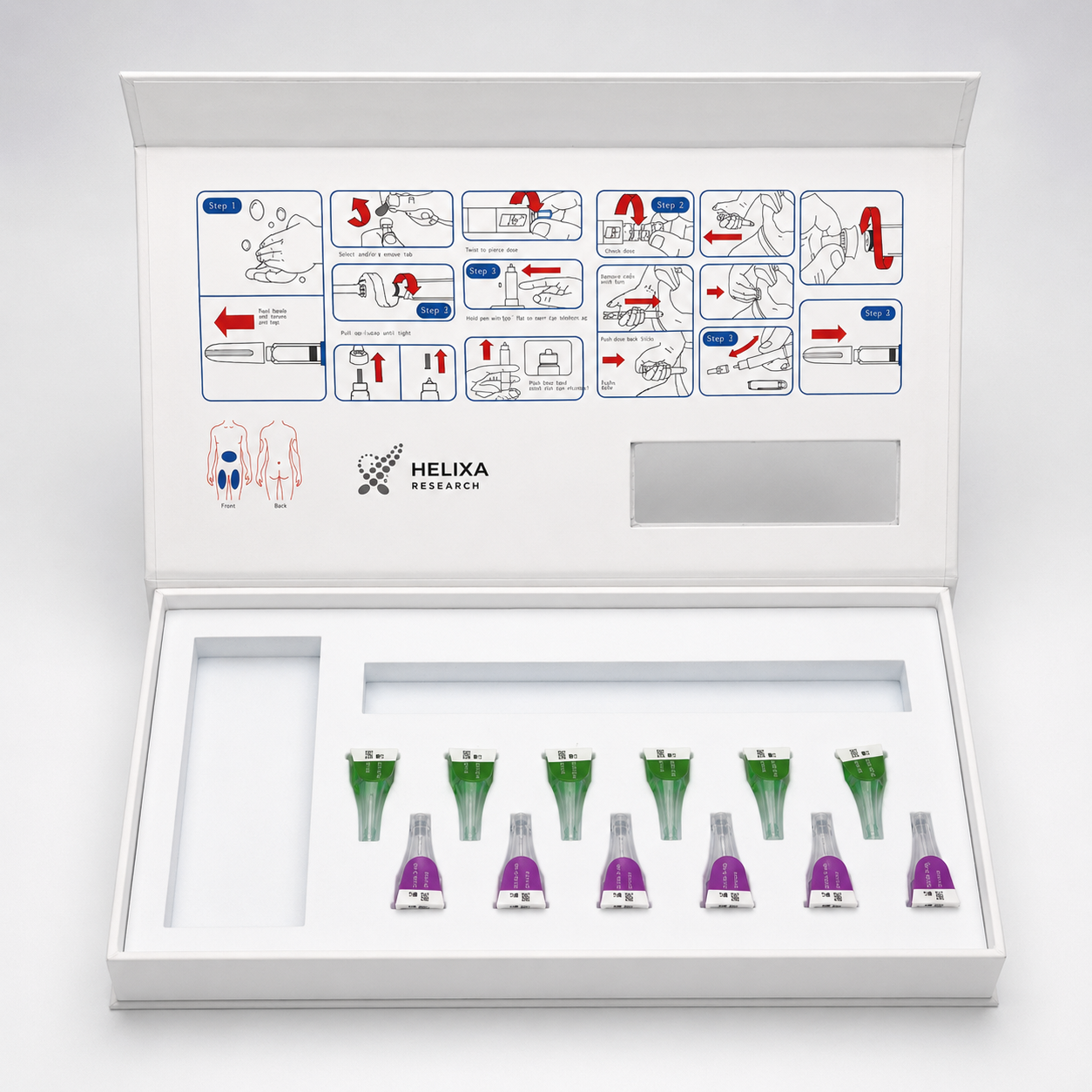
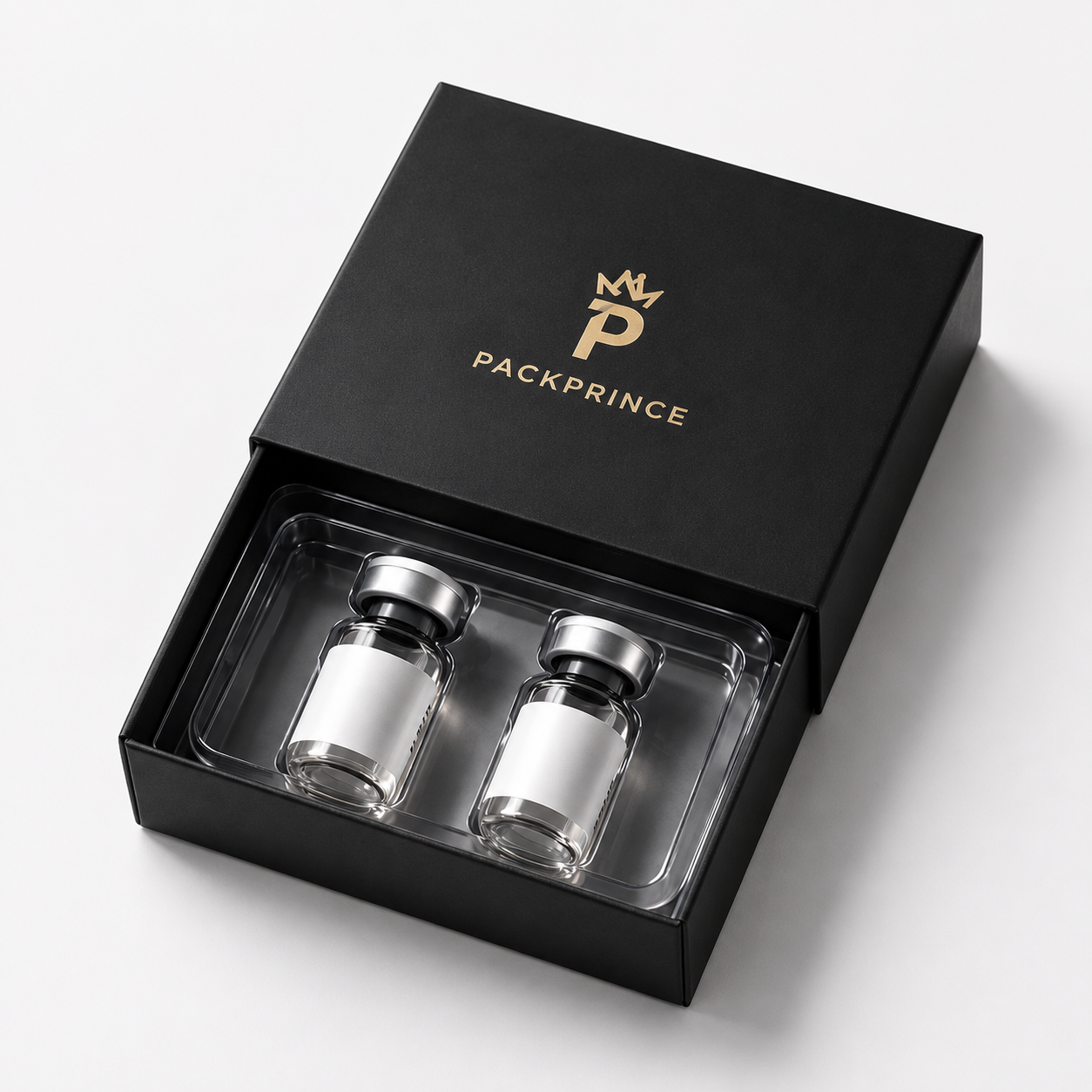
Different peptide applications require different packaging structures. The correct solution depends on product positioning, order quantity, shipping requirements, and customer experience goals. Below are common box formats used for peptide vial packaging and related small medical packaging projects.
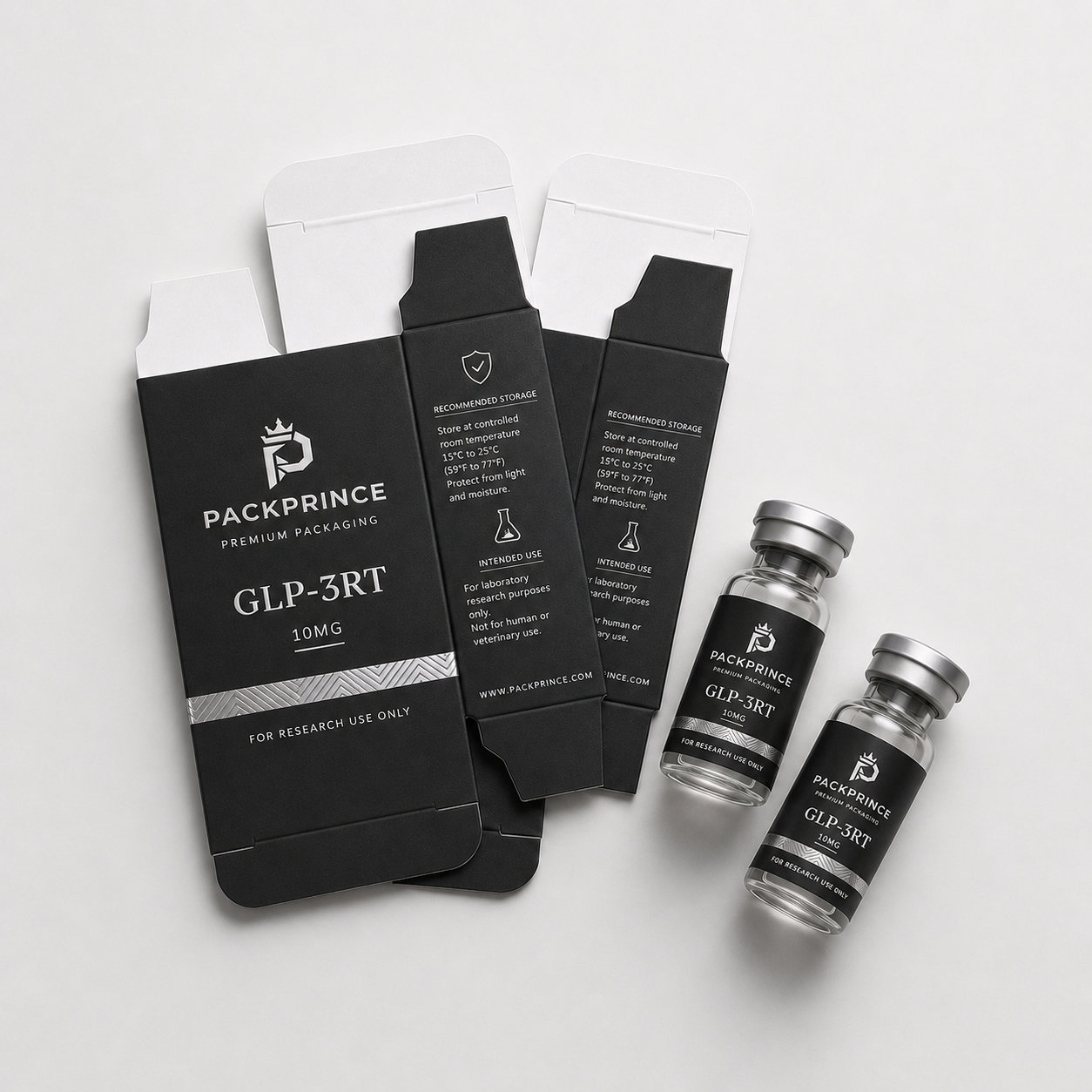 Tuck End Folding Carton
 Magnetic Closure Box
 Drawer Box
Choosing a Box Structure: What Actually Fits Your Use Case
There is no single best peptide vial packaging structure. Each box format has advantages and trade-offs depending on your budget, order volume, product positioning, and insert requirements.
Insert Design Is Where Protection Actually Happens
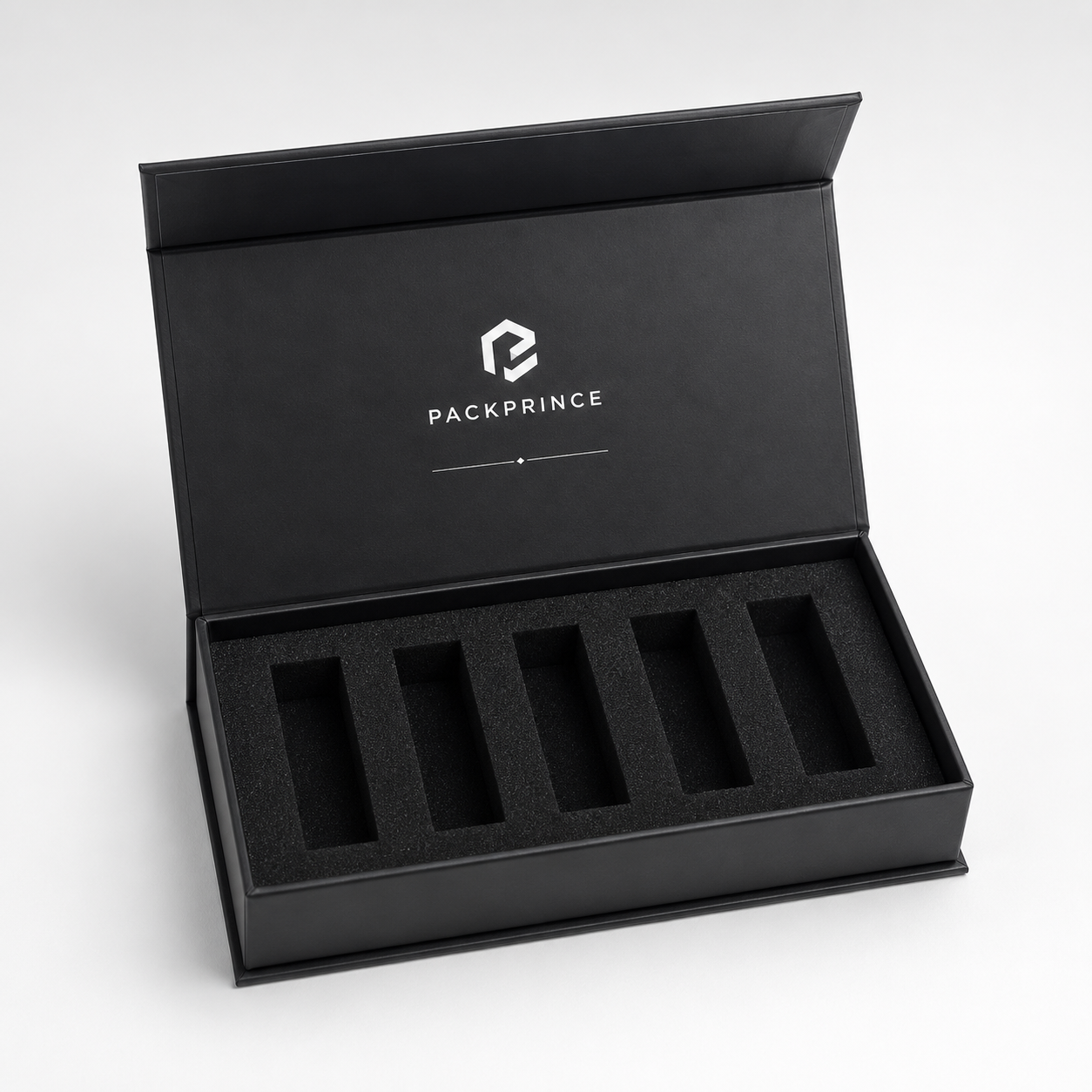
The outer box creates the first impression, but the insert is the core protection system inside peptide packaging. Movement, not only impact, is one of the main causes of vial damage during transportation. A well-designed insert eliminates unnecessary movement while still allowing the user to remove the vial easily.
Different vial sizes, vial heights, cap diameters, and product combinations all affect insert design. For peptide vial packaging, insert engineering should consider both protection and usability, especially for 2ml, 3ml, 5ml, 10ml, and custom vial formats.
 Black Sponge Foam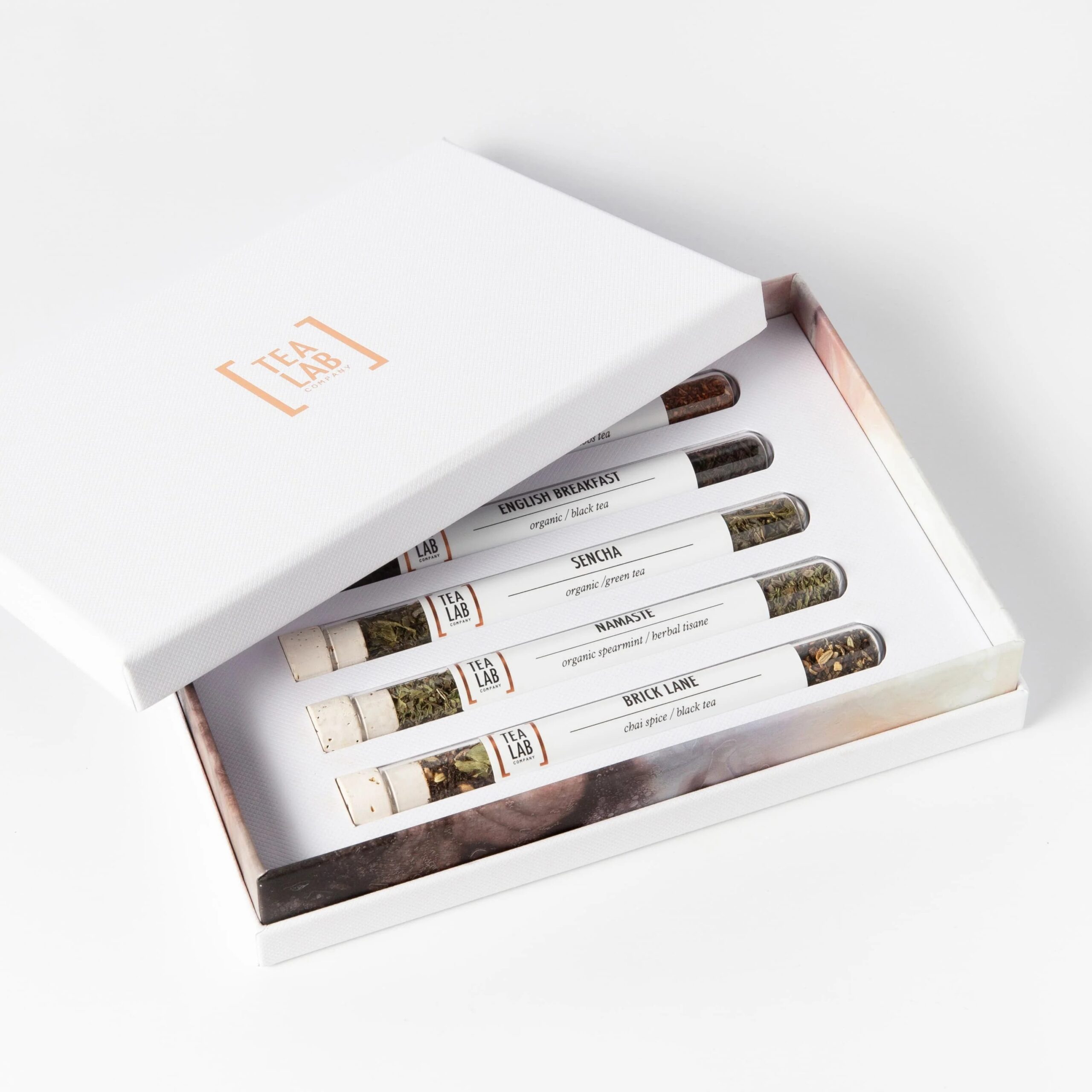
Engineering Note: Glass vial dimensions may vary slightly between suppliers and production batches. Insert tolerance should be engineered with enough clearance to prevent pressure damage, but tight enough to reduce rattle and movement during handling.
Premium Finishing Options for Peptide Packaging
Surface finishing plays an important role in peptide packaging because it directly affects brand perception. A clean printed box may be suitable for high-volume supply, while premium peptide kits often use foil stamping, spot UV, embossing, or soft-touch surfaces to create a more professional appearance.
Hot Foil Stamping
Creates metallic logo effects for premium branding and strong shelf impact.
Spot UV
Highlights selected artwork, patterns, or logo areas with gloss contrast as below.
Embossing & Debossing
Adds tactile brand recognition and a more premium touch experience.
Soft-touch Lamination
Creates a smooth matte surface often used for high-end rigid packaging.
What a Real Production Workflow Looks Like
Understanding the manufacturing process helps buyers evaluate whether a supplier’s quoted timeline, MOQ, and production capability are realistic. A complete peptide vial packaging project usually involves structural design, sampling, printing, insert engineering, assembly, quality control, and export packing.
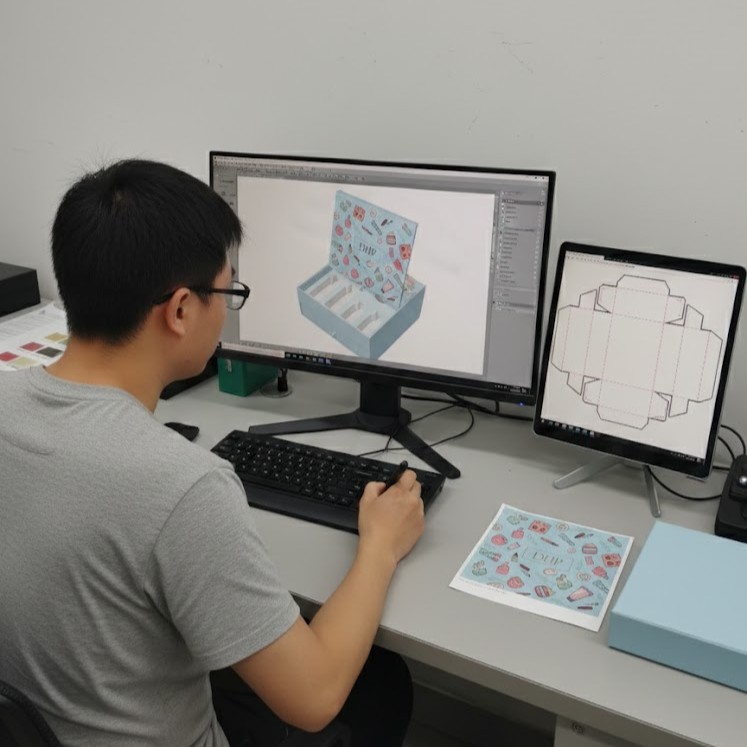 01 Structural Design
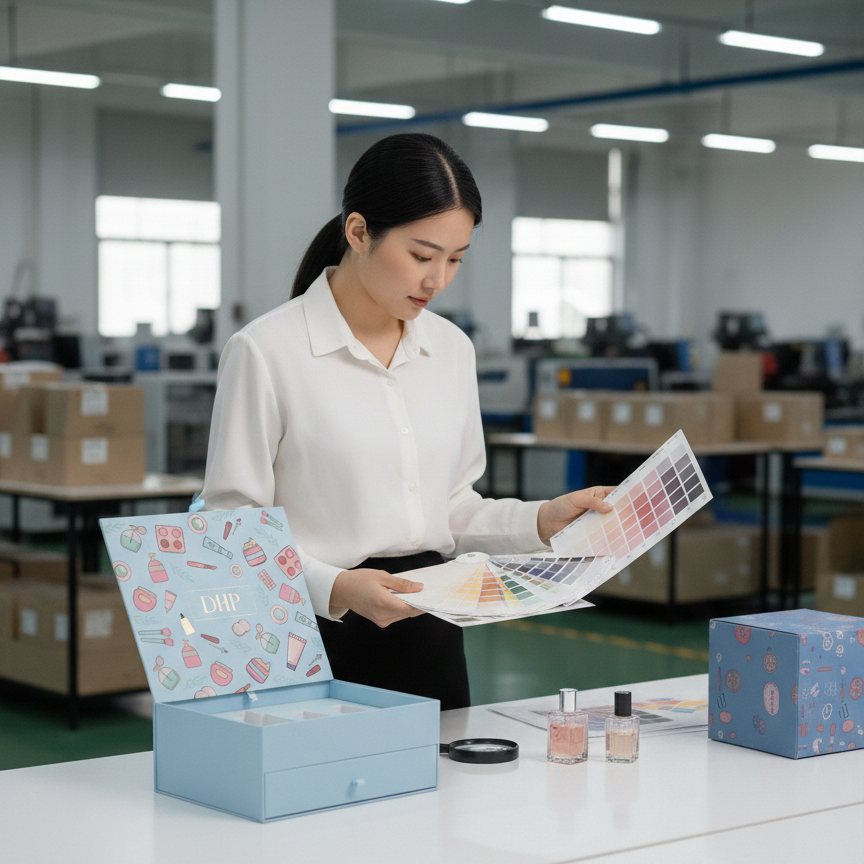 02 Prototype Sampling
 03 Printing & Finishing
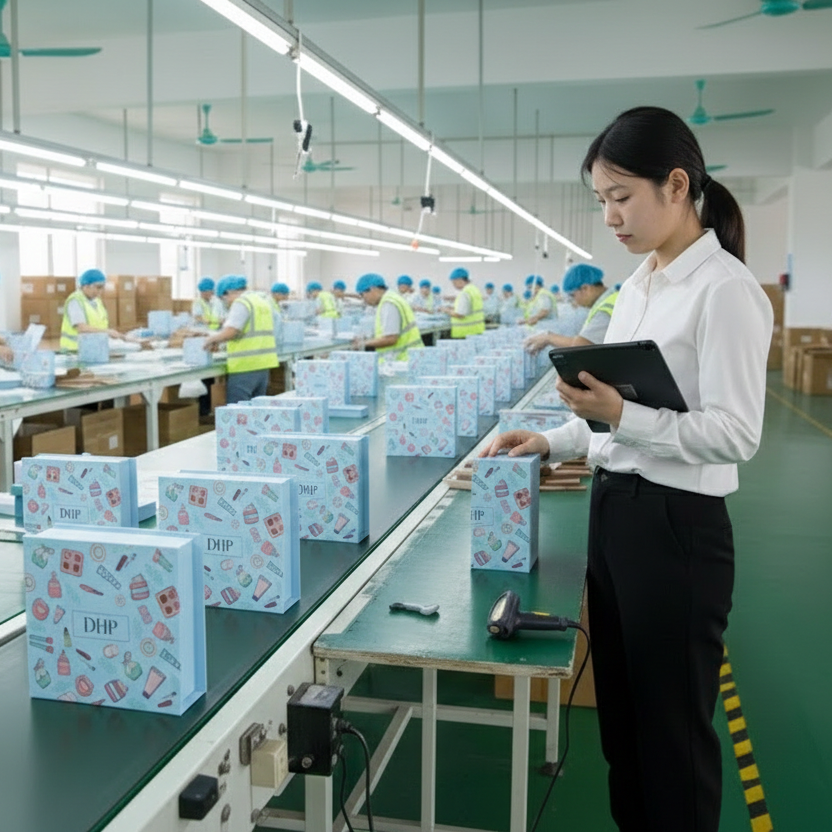 05 Quality Inspection
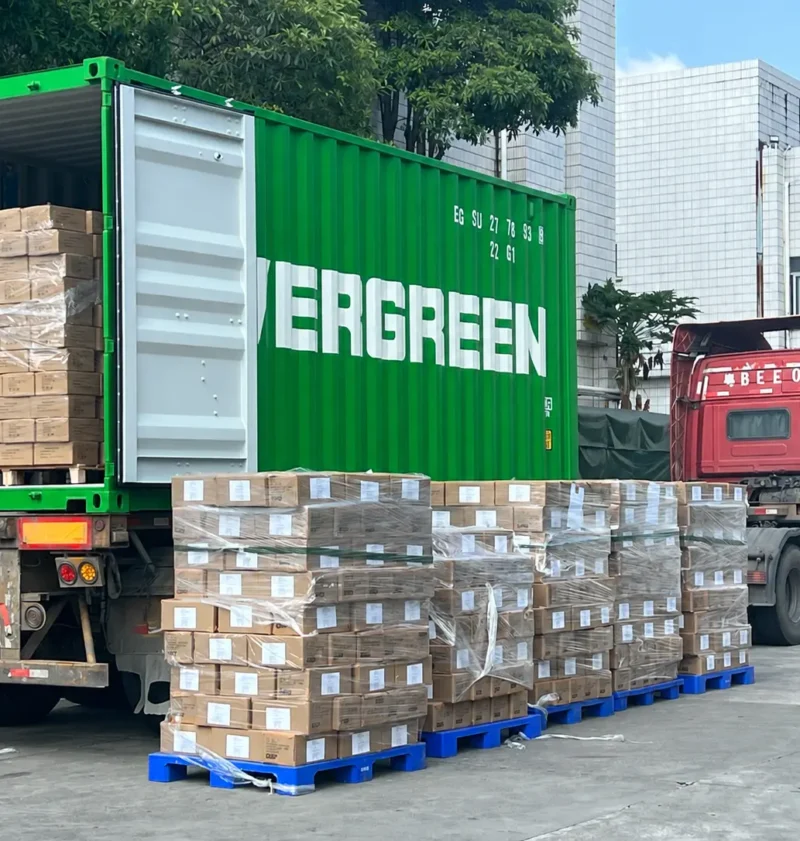 06 Global Logistics
Frequently Asked Questions
Can vial sizes be customized?
Yes. Packaging can be designed for 2ml, 3ml, 5ml, 10ml, and non-standard vial dimensions. We engineer the insert according to vial diameter, height, cap size, and product layout.
Can I get samples before bulk production?
Yes. Structural white samples and printed prototypes are available before mass production. This allows you to review box structure, insert fit, logo position, color, and surface finishing before approving the full order.
What materials are available for peptide vial inserts?
Common insert materials include EVA foam, black foam, PET blister tray, paperboard divider, molded pulp, and custom die-cut inserts. The best choice depends on vial size, product weight, sustainability goals, and brand positioning.
What is the MOQ for custom peptide packaging boxes?
MOQ depends on the box structure, material, printing process, and insert type. Folding cartons can support more cost-efficient production, while premium rigid boxes and magnetic boxes usually require higher minimum quantities. For many custom rigid packaging projects, a practical starting point is around 500 units.
Looking to Source Custom Peptide Vial Packaging?
Share your vial specifications, target quantity, and branding requirements with Packprince for a customized packaging solution designed for secure transportation and premium presentation.