Single-Vial to 12-Vial Packaging: How to Choose the Right Vial Box Structure
Jump to Section:
Category · Medical & Aesthetic Packaging / Structural Selection
Choosing the right vial box structure depends on more than vial count. Compare folding cartons, drawer boxes, magnetic rigid boxes, shoulder-neck structures and insert options for single-vial through 12-vial packaging.
Choosing a vial packaging box by vial count alone is a common sourcing mistake. A single 3 mL vial, a 10 mL vial and a 10-vial kit can require completely different carton depths, insert geometry and opening structures. Fill volume is only one input; the actual vial diameter, total height including the stopper or cap, product count, accessories, shipping route and desired presentation all affect the final box.
Quick selection: start with a folding carton for a routine single-vial box or compact retail multipack; use a two-piece rigid box for a stable premium presentation; choose a magnetic book-style box when the inside lid needs to carry instructions or brand content; use a drawer box for a controlled horizontal reveal; and consider a shoulder-neck structure when a precise premium opening is more important than minimum material and freight volume.
Vial count changes more than the footprint
As vial count increases, three structural loads change at the same time: total product weight, the unsupported span of the insert and the force required to open or close the package. A tray that feels rigid with two vials may flex across a 2 × 5 array. A drawer that slides smoothly when empty may become noticeably tighter after ten glass vials are loaded. A deep magnetic box may also need more careful hinge and magnet positioning than a shallow presentation pack.
For that reason, Packprince treats vial count as one engineering input rather than a cavity number to copy into a larger box. The practical inputs are the real capped-vial dimensions, total kit weight, array layout, finger access, insert material, printed information area, closure behaviour, outer shipping method and final pack-out process.
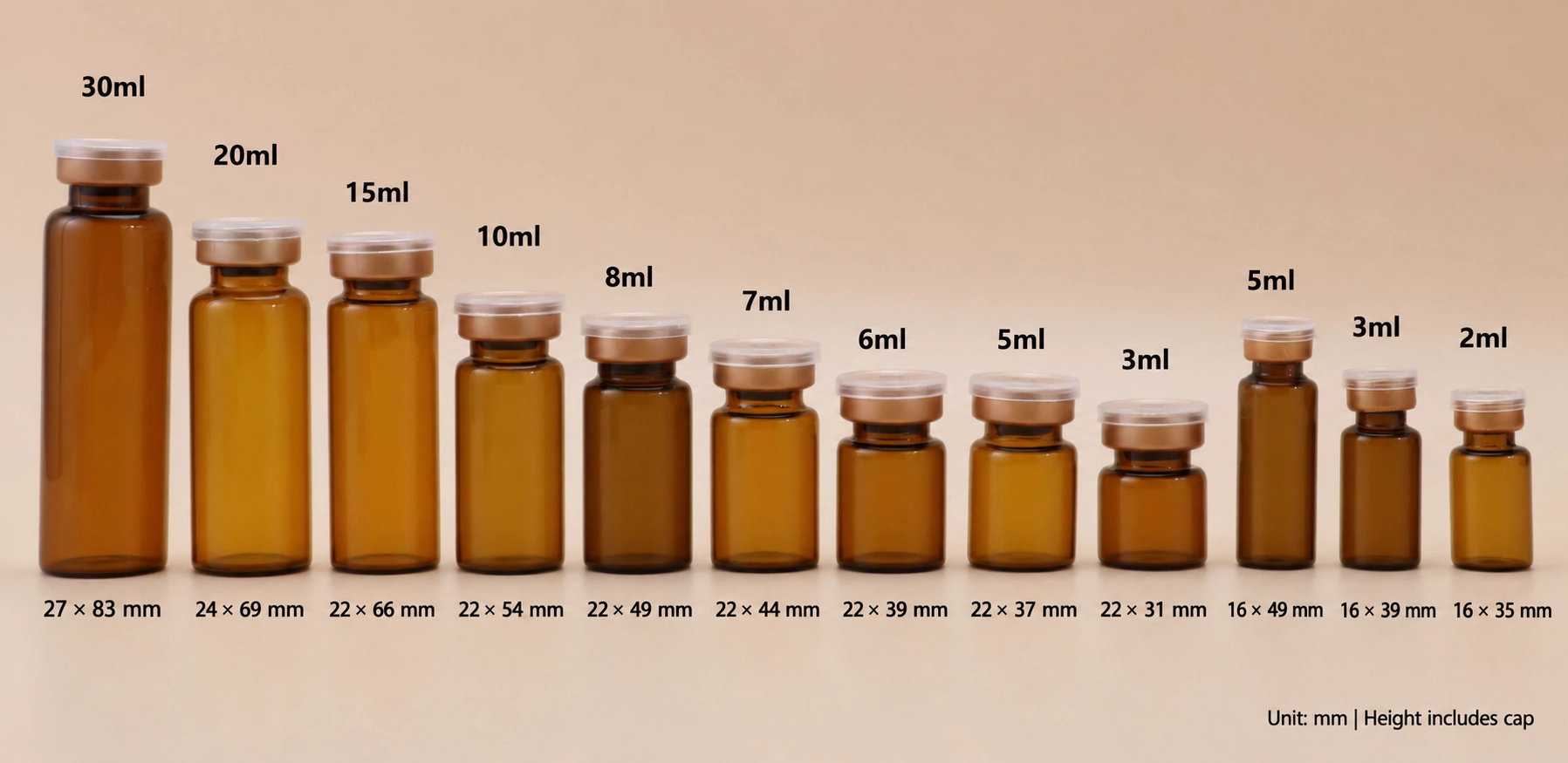
This distinction is especially important for buyers searching by nominal vial size. A “3 mL vial box” or “10 mL vial box” cannot be dimensioned accurately from fill volume alone because different vial suppliers use different body, shoulder and closure dimensions. For custom vial boxes, measure the actual container at its widest point and its total height with the final closure fitted before the dieline is locked.
Single-vial packaging: keep the protection mechanism proportional
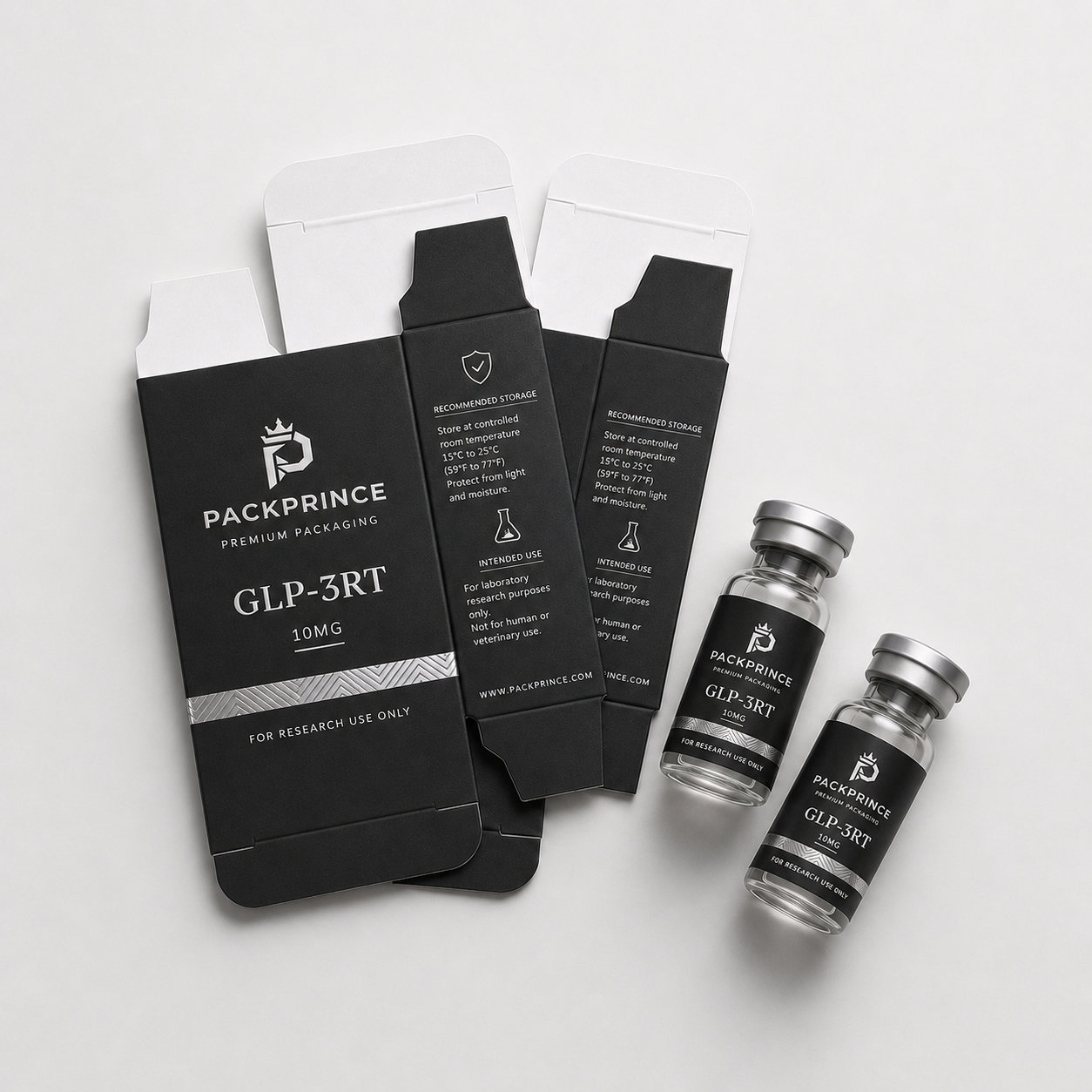
Reverse-tuck or straight-tuck folding carton
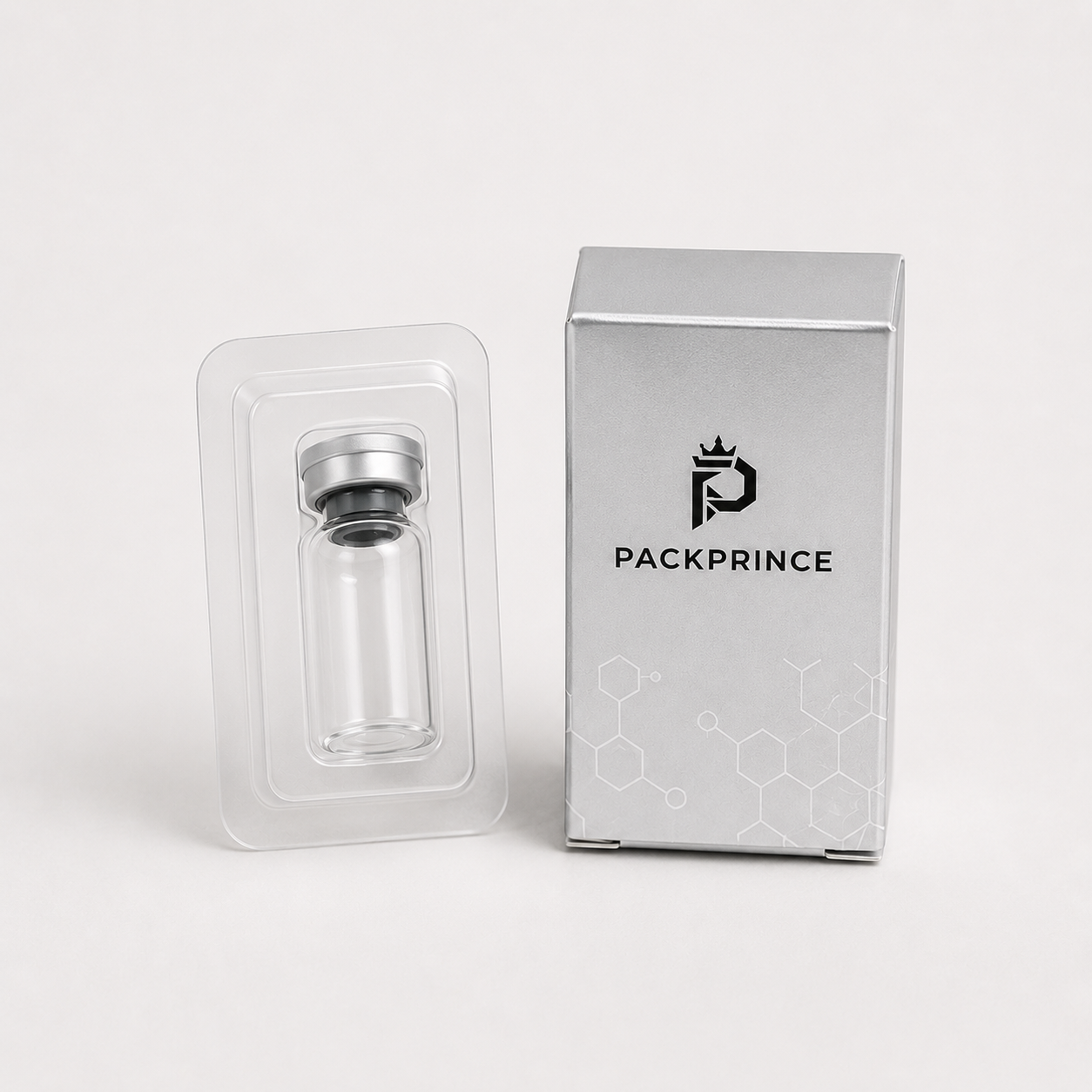
For a routine single vial, a folding carton is usually the most space-efficient starting point. It can ship flat to the filling location, provides multiple printable panels for branding and product information, and can be paired with a die-cut paperboard platform, folded paper cradle or formed tray to reduce movement inside the carton.
The insert should support the vial body without forcing pressure onto the cap or stopper. If the container is much smaller than the outer carton, adding loose filler is rarely the best fix. A better approach is to reduce unnecessary internal volume and design retention points around the actual vial geometry. This makes the pack look intentional while reducing movement during handling.
For buyers comparing custom single vial boxes, ask the supplier to show the insert and carton as one system rather than quoting the outer box only. The smallest detail—such as whether the paper platform locks into the side wall—can determine whether the vial stays upright after repeated opening.
Mini drawer or matchbox-style pack
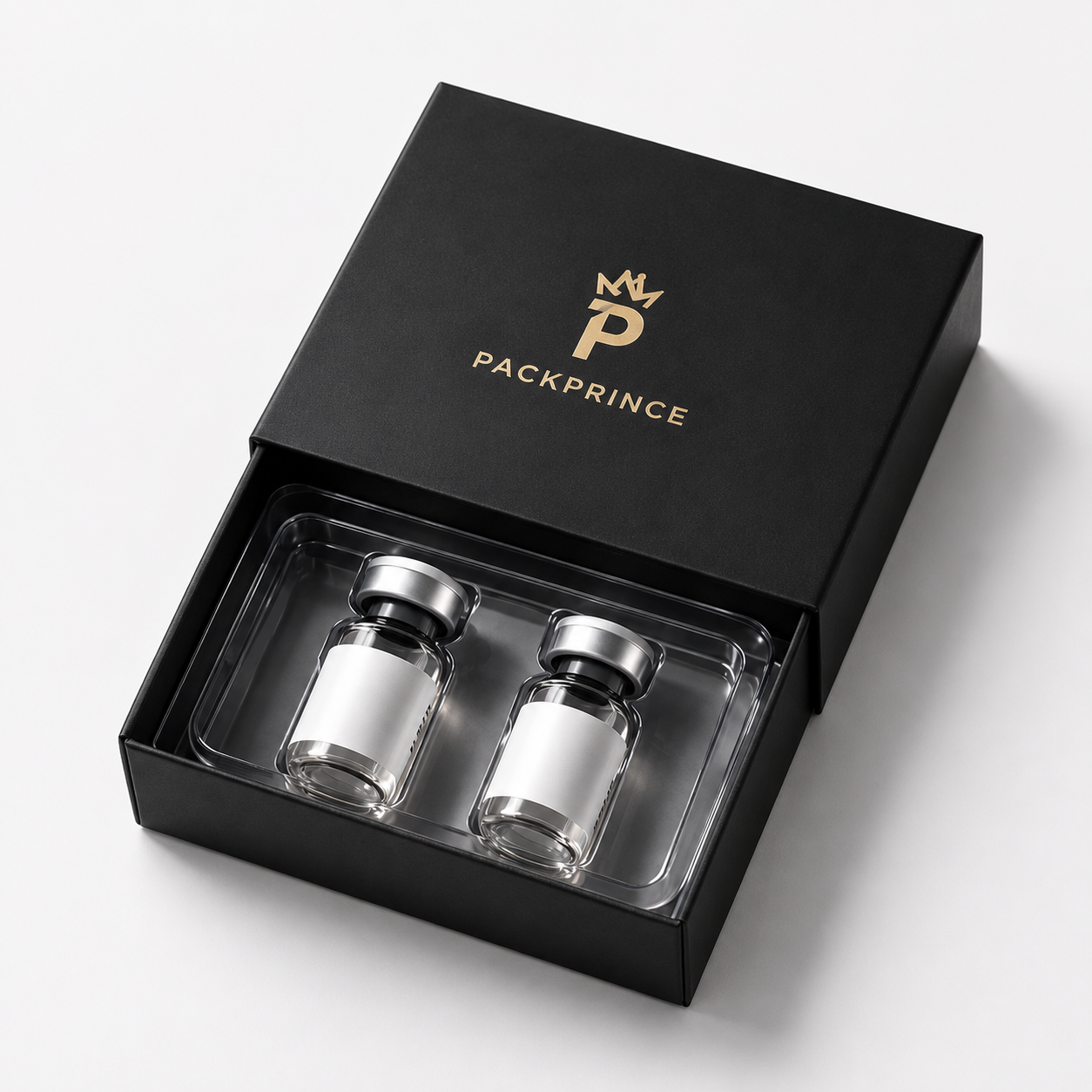
A small drawer box creates a more deliberate reveal for a premium peptide vial, cosmetic serum vial or presentation sample. It works best when the product plane sits close to the opening and the vial can be removed without pinching the neck or digging into the insert cavity.
The main engineering variables are drawer clearance, sleeve friction, insert height and pull-tab access. If the cavity is too deep, the customer sees the insert wall instead of the product. If the sleeve is too tight, the pack can feel difficult to open once the vial and insert add weight.
Two to six vials: when premium rigid vial box structure become more useful
Magnetic book-style rigid box
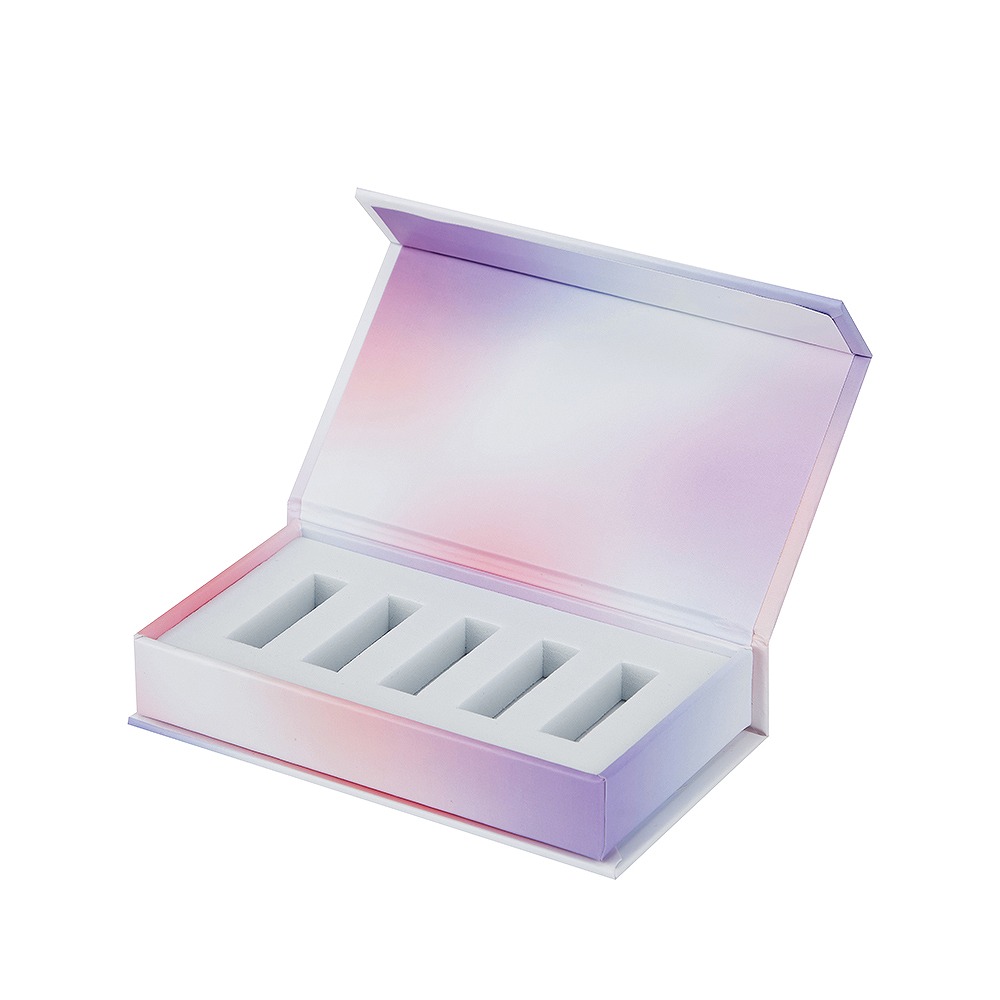
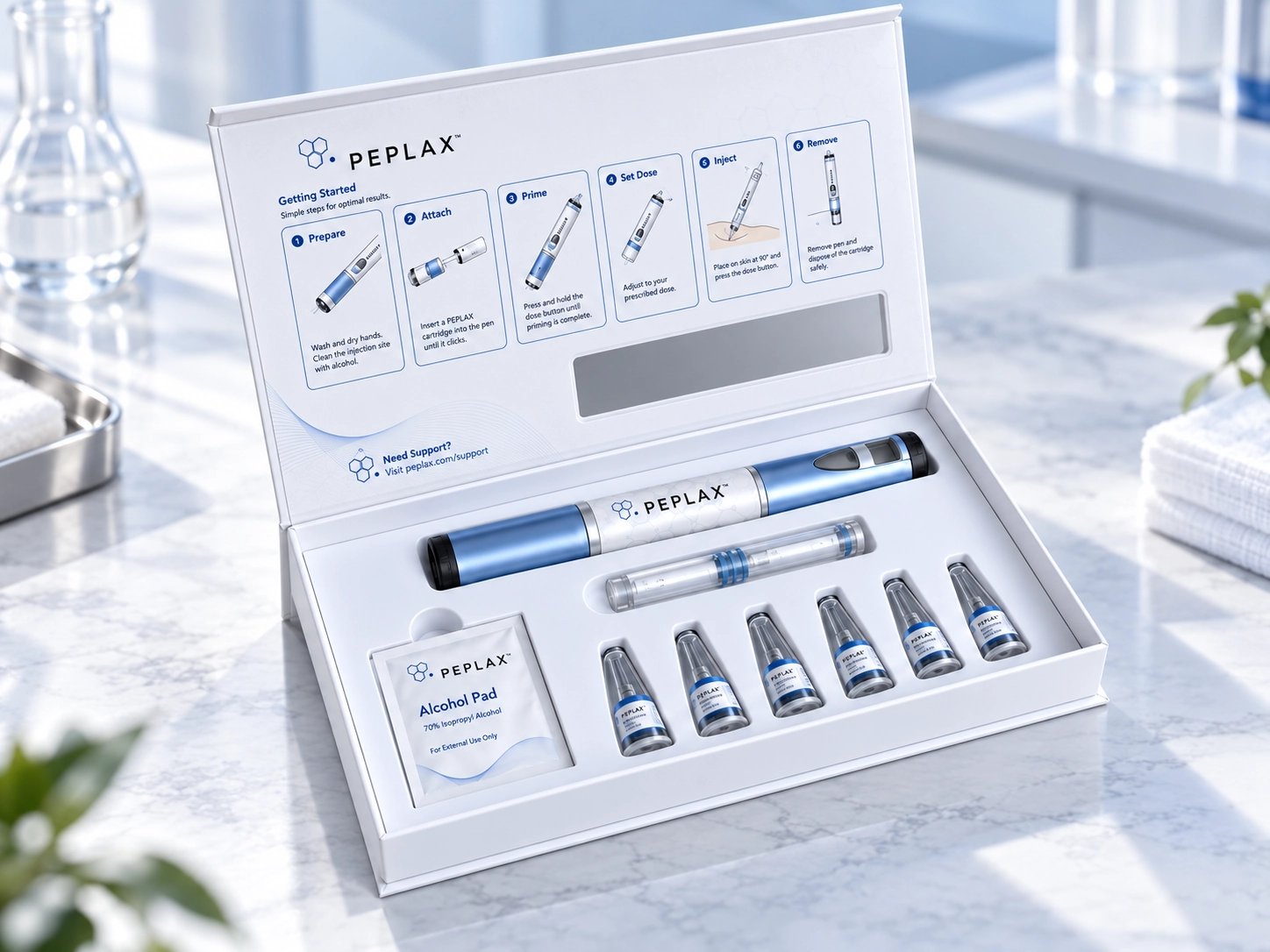
A magnetic book-style vial box works well for many 2–6 vial presentation kits because the hinged lid opens the full product plane at once. The inside lid can carry usage information, protocol steps, a QR code, a leaflet pocket or brand storytelling while the vials remain organized in the base.
For a custom magnetic vial box, the important details are hinge gap, magnet position, lid weight, insert height, cavity spacing and finger access. A deep box may need a raised platform so that the vials do not appear buried. If a leaflet or accessory sits above the product, check that it does not press on the vial caps when the lid closes.
Two-piece lid-and-base rigid box
The classic lift-off lid is often the safest premium format when the brand wants a clean, formal appearance without a hinge. It is compatible with EVA, paperboard, molded pulp and formed trays, and the base can be designed around a symmetrical vial array.
The critical variable is controlled fit between lid and base. Excess friction makes the pack difficult to open; too little friction can make the lid feel loose. With glass vials, also check whether the insert can be removed or replaced without damaging the wrapped rigid box during assembly.
Shoulder-neck rigid box
A shoulder-neck box adds an inner neck between the lid and base. That creates a precise reveal line and gives the lid a controlled seating position. For premium multi-vial packaging, the neck can visually frame the insert and make a relatively small kit feel more architectural.
The trade-off is additional material, wrapping operations and dimensional stack-up. It is therefore better suited to premium launches, clinic presentation kits or higher-value product sets than to projects where flat shipping, minimum material use or the lowest landed cost is the main priority.
Eight to twelve vials: array stiffness and user access become primary
Drawer box with a wide tray
A wide drawer is one of the most practical structures for an 8-, 10- or 12-vial presentation when the products should remain in one horizontal plane. A 10 vial box, for example, can use a 2 × 5 array so every vial is visible after the tray is pulled out while the sleeve protects the loaded tray edges during storage.
For dense multi vial packaging, test tray sag, sleeve friction, pull-tab load and air resistance with the actual filled or weight-simulated products. A sleeve that feels perfect on an empty sample can bind once the tray is loaded. Finger notches should also be positioned so a user can lift a vial by the body rather than the stopper or cap.
Book box with modular insert zones
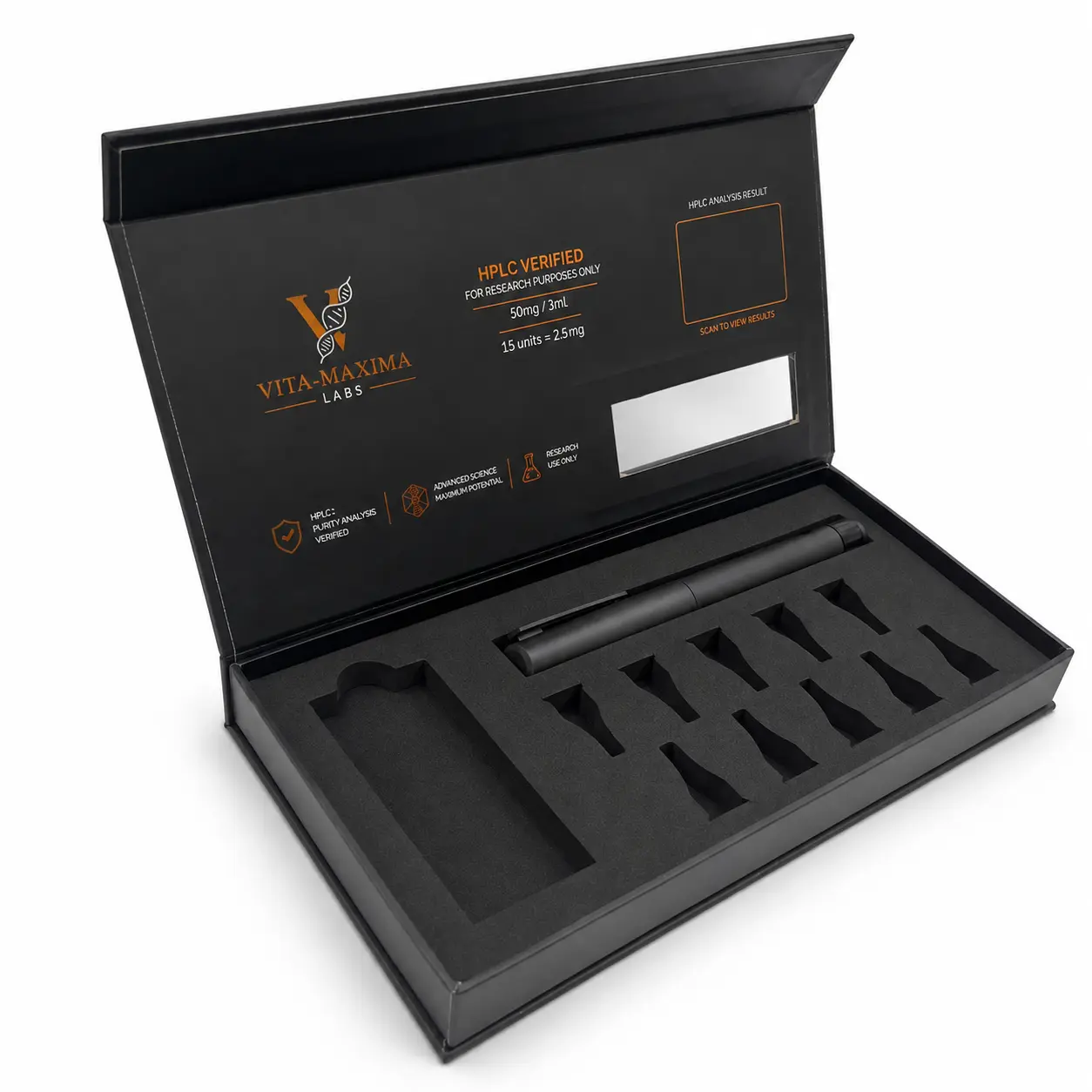
A larger book-style rigid box is useful when the kit combines vials with swabs, diluent, droppers, accessories, cards or instructions. Instead of cutting one uninterrupted foam field, divide the inside into functional zones. This helps separate the “hero” products from secondary components and allows different support depths within one package.
Modular zones also make future product changes easier to evaluate. If one accessory changes size, the complete box may not need to be redesigned as long as the structural envelope and the main vial array remain stable.
custom peptide packaging box
A 12-cavity book-style vial box can divide the interior into vial, accessory and instruction zones instead of treating the insert as one undifferentiated foam field.
Two-layer presentation box
When twelve vials plus accessories would create an excessively wide retail footprint, a two-level structure can reduce the plan area. A shallow upper tray can hold instructions or lightweight accessories while a lower drawer or removable tray carries the heavier vial array.
This structure adds components and assembly steps, so it should be chosen because it solves a real footprint or organization problem—not simply because it looks more complex. The upper layer must also clear the vial closures below without transferring pressure onto them.
Double-door / gatefold rigid box
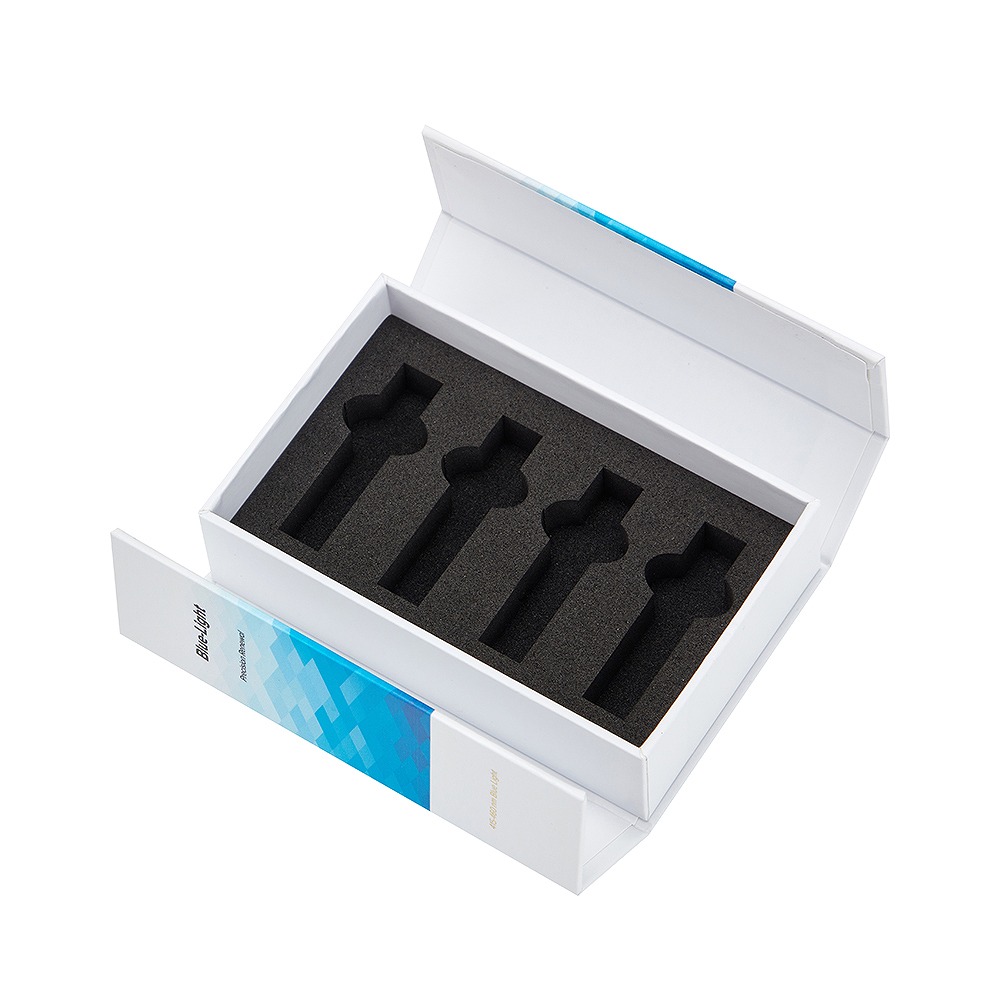
A double-door structure can work for a symmetrical multi-vial kit—for example, two vial families on the left and right with a central accessory, device or hero product. The opening sequence creates a strong presentation effect without requiring one large lid to swing behind the box.
The engineering cost is additional hinges, wrapped edges and magnetic alignment. For vial packaging, avoid mounting heavy glass products on unsupported doors unless the hinge, insert anchoring and closed-position clearances have been specifically validated. Door-mounted weight increases leverage on the hinge and can change closure alignment over time.
Compare vial box structure by function—not only by unit price
The lowest box price does not always produce the lowest landed packaging cost. A folding carton may require less freight because it ships flat, while an erected rigid box may reduce final assembly steps at the pack-out location. Insert tooling, manual assembly, finishing, master-carton efficiency and international freight can all change the commercial result.
Hybrid structures can solve the “too premium for a carton, too bulky for a rigid box” problem
Not every custom vial packaging project needs a conventional fully erected rigid box. Useful hybrids include a folding carton around a rigid inner platform, a printed sleeve around a molded-pulp tray, a collapsible magnetic box with a separate insert, or a rigid outer sleeve with a lighter folding inner drawer.
These structures are most relevant when the brand wants a premium unboxing experience but the empty packaging must travel a long distance before final pack-out. A flat or collapsible structure can reduce freight volume, but the saving may be offset by additional labour at the brand, filling line or co-packer. That is why the assembly location should be part of the structure decision from the beginning.
The same logic applies to sustainability claims. A paper-based appearance does not automatically make one structure environmentally preferable to another. Material quantity, insert choice, recyclability in the destination market, number of bonded components, freight volume and expected reuse all matter. If sustainability is a project requirement, define the target first—such as plastic reduction, mono-material construction or lower shipping volume—then choose the structure around that target.
A better structure-selection sequence for custom vial boxes
- Measure the actual vial diameter and total height with the final stopper, crimp cap, dropper or closure fitted.
- Confirm vial count, total kit weight and whether accessories such as diluent, swabs, droppers or instruction cards are included.
- Choose the product array—single row, 2 × 3, 2 × 5, 2 × 6 or another layout—and define how the user should remove each vial.
- Decide whether the inside lid or outer panels need to carry instructions, QR content or regulatory information.
- Set the maximum acceptable retail footprint, box depth and shipping volume.
- Choose the insert family based on product weight, presentation, material preference and cavity precision.
- Compare candidate structures by material, insert/tooling, assembly, finishing and freight—not the outer-box unit price alone.
- Build a white sample with the real vial or an accurate weight/dimension substitute before final artwork and mass-production files are locked.
For insert-specific engineering, see Peptide Vial Packaging Inserts: Paperboard vs EVA vs Molded Pulp vs PET. For a broader sourcing workflow—including the information a packaging supplier needs before quoting—use Packprince’s custom peptide vial packaging sourcing guide.
Frequently Asked Questions
What size box do I need for a 3 mL or 10 mL vial?
Do not size a custom vial box from fill volume alone. Measure the actual vial diameter and the total height with the final stopper, cap or dropper fitted, then add only the clearance required for the selected insert and carton structure. Two 10 mL vials from different suppliers can have different external dimensions, so the physical container or an accurate engineering drawing is more reliable than the nominal volume.
What vail box structure works best for 10 vials?
A 2 × 5 drawer box or book-style rigid box is a strong starting point for many 10-vial kits. The drawer keeps all vials on one horizontal presentation plane, while a book box provides more inside-lid space for instructions or branding. The final choice depends on vial weight, insert stiffness, accessories, desired opening experience and shipping volume.
Which insert is best for glass vial packaging?
There is no single best insert for every vial box. Paperboard inserts are efficient for many retail cartons; EVA provides precise cavities and a premium presentation; molded pulp can support paper-forward sustainability goals at suitable volumes; and PET/APET formed trays can offer accurate product visibility and repeatable cavities. The insert should be selected with the outer structure, vial weight, access method and shipping requirements together.
Need a custom vial box for 1, 5, 10 or 12 vials?
Send Packprince the vial diameter, total capped height, vial count, accessories, target order quantity and delivery market. We can compare practical carton, drawer and rigid-box structures around the same product envelope before you commit to final artwork.